

The True Cost of Non-Revenue Water: Why Every Utility Should Measure Water Loss
Tim Crisp, Technical Communications Specialist
July 29, 2026
Utilities make significant investments to treat, distribute, and deliver safe drinking water to their customers. But not every gallon produced generates revenue. Water lost through leaking infrastructure, inaccurate meters, unauthorized consumption, and other system inefficiencies can quietly cost utilities thousands—or even millions—of dollars each year.
This lost water is known as non-revenue water (NRW), and understanding its true cost is an essential part of effective water loss control. For utilities looking to improve financial performance, conserve water, recover lost revenue, and make smarter infrastructure investments, measuring water loss is the first step toward understanding where opportunities exist.
What Is Non-Revenue Water?
Non-revenue water is water that has been produced and entered the water distribution system but does not generate revenue for the utility. In simple terms, it represents the difference between the amount of water a utility supplies to its system and the amount that is accurately measured and billed to customers.
The American Water Works Association (AWWA) categorizes water loss into several important components:
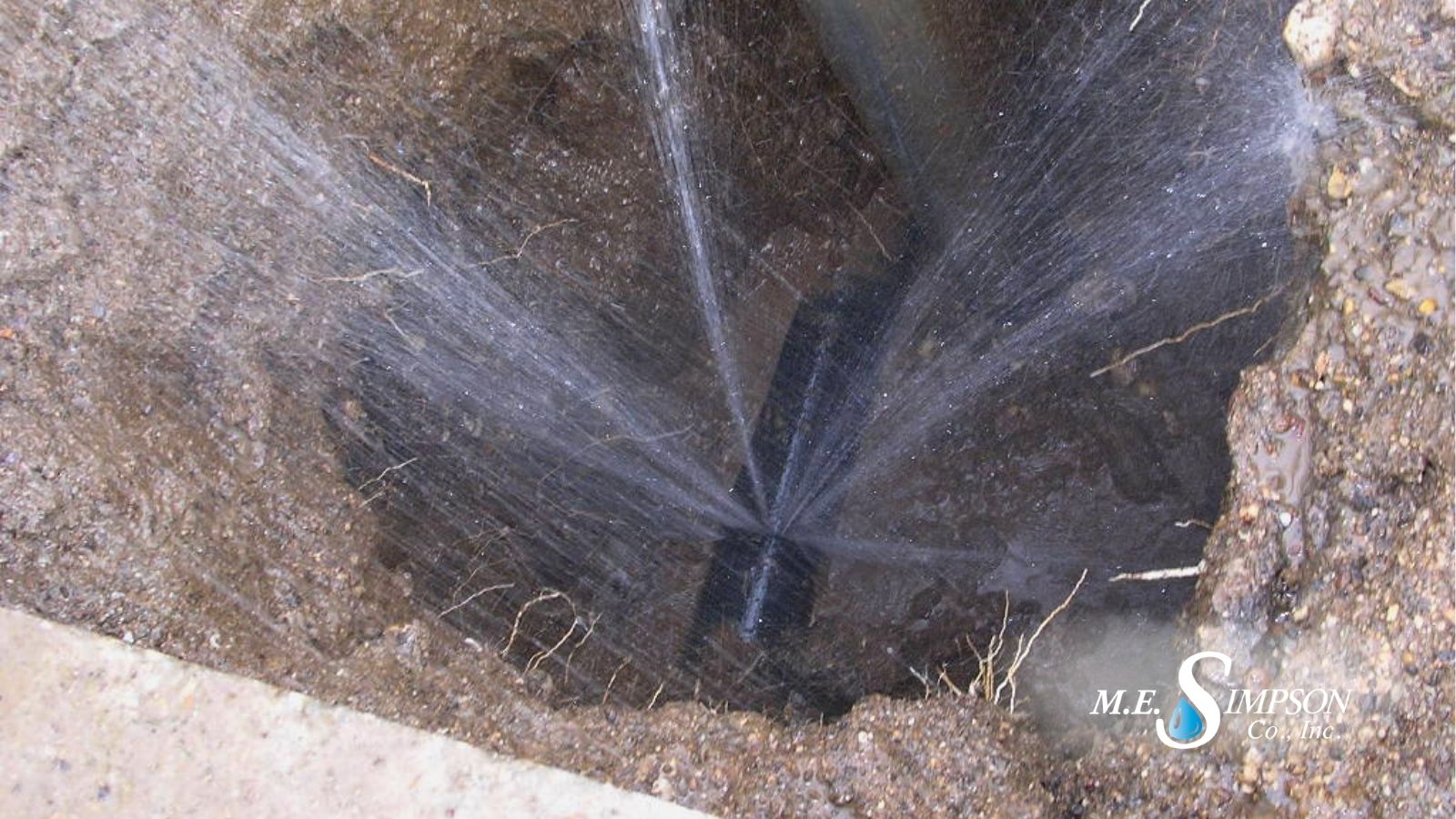
Real losses are physical losses of water from the distribution system before it reaches the customer. These include leaks on transmission mains, distribution mains, service lines, storage facilities, and overflowing tanks. Some leaks are obvious, but many hidden water leaks can remain underground for months—or even years—before becoming visible.
Apparent losses occur when water is consumed but is not accurately measured or billed. Common causes include aging or inaccurate customer meters, unauthorized consumption, data handling errors, and billing inaccuracies. Because the water has actually been delivered and consumed, these losses can represent significant lost revenue for a utility.
Authorized unbilled consumption includes legitimate water uses such as firefighting, hydrant flushing, and water main flushing. While these uses are necessary, accurately accounting for them helps utilities develop a clearer picture of how water moves through the distribution system.
Together, these components help utilities understand their overall water balance and develop a more effective non-revenue water management strategy.
To learn more about this tool, visit their Water Loss Resources Page.
What Is the True Cost of Non-Revenue Water?
The cost of non-revenue water extends well beyond the value of the water itself. Every gallon of treated water requires energy, chemicals, labor, equipment, and infrastructure to produce and deliver. When that water is lost before generating revenue, the utility has already incurred many of those costs without receiving a corresponding financial return.
For real water losses, the financial and operational impacts can be especially significant. A hidden leak may continuously waste treated water while increasing pumping and treatment demands. Over time, leaks can also contribute to soil erosion, infrastructure damage, pavement failures, and potentially more significant water main failures.
Apparent water losses create a different financial problem. When meters under-register consumption, a utility may successfully deliver water to a customer without receiving the appropriate revenue. Across an entire water distribution system, even relatively small meter inaccuracies can add up to substantial lost revenue.
Reducing non-revenue water, therefore, is not simply a water conservation initiative. It is an important component of water utility management, operational efficiency, infrastructure planning, and responsible financial management.
Measuring Water Loss Starts with a Water Audit
Before a utility can effectively reduce non-revenue water, it needs to understand where its losses are occurring.
An AWWA water audit provides utilities with a structured method for evaluating water supplied, authorized consumption, real losses, apparent losses, and the quality of the data being used to calculate those figures.
A comprehensive water loss audit can help utilities identify weaknesses in their existing data, better understand the financial impact of water loss, and determine where additional investigation may provide the greatest return.
Rather than treating all water loss the same, the audit helps provide a roadmap for developing a targeted water loss management program.

Reducing Non-Revenue Water Starts with the Right Approach
Once a utility better understands its water loss, the next step is determining where targeted action can make the greatest impact.
Acoustic leak detection can help utilities locate hidden underground leaks and address real losses within the distribution system. Continuous or remote leak monitoring can provide additional insight into developing leaks and areas that may require further investigation.
Water meter testing and meter accuracy testing can help identify apparent losses caused by inaccurate measurement. Production, wholesale, commercial, and customer meters can all affect the accuracy of a utility’s water balance and the amount of revenue it ultimately collects.
Water audits, leak detection, meter testing, valve assessment, and infrastructure condition assessment can work together as part of a comprehensive water loss control program.
Turn Water Loss Data Into Action
Understanding non-revenue water is only valuable when utilities can use that information to make better decisions.
For more than 45 years, M.E. Simpson Co., Inc. has helped water utilities identify, measure, and reduce water loss through specialized field services and proven water loss control strategies.
Our water loss control services include:
- Acoustic leak detection surveys
- Continuous remote leak monitoring
- Large meter testing
- Bench meter testing
- AWWA water audits
- Water audit validations
By combining experienced field personnel with proven technologies and industry-standard methodologies, M.E. Simpson helps utilities move from simply identifying non-revenue water to developing actionable strategies for reducing losses, recovering revenue, and improving the long-term performance of their water systems.
Ready to better understand where your water—and revenue—is going? Explore M.E. Simpson’s Water Loss Control services or contact our team to discuss your utility’s water loss program.