

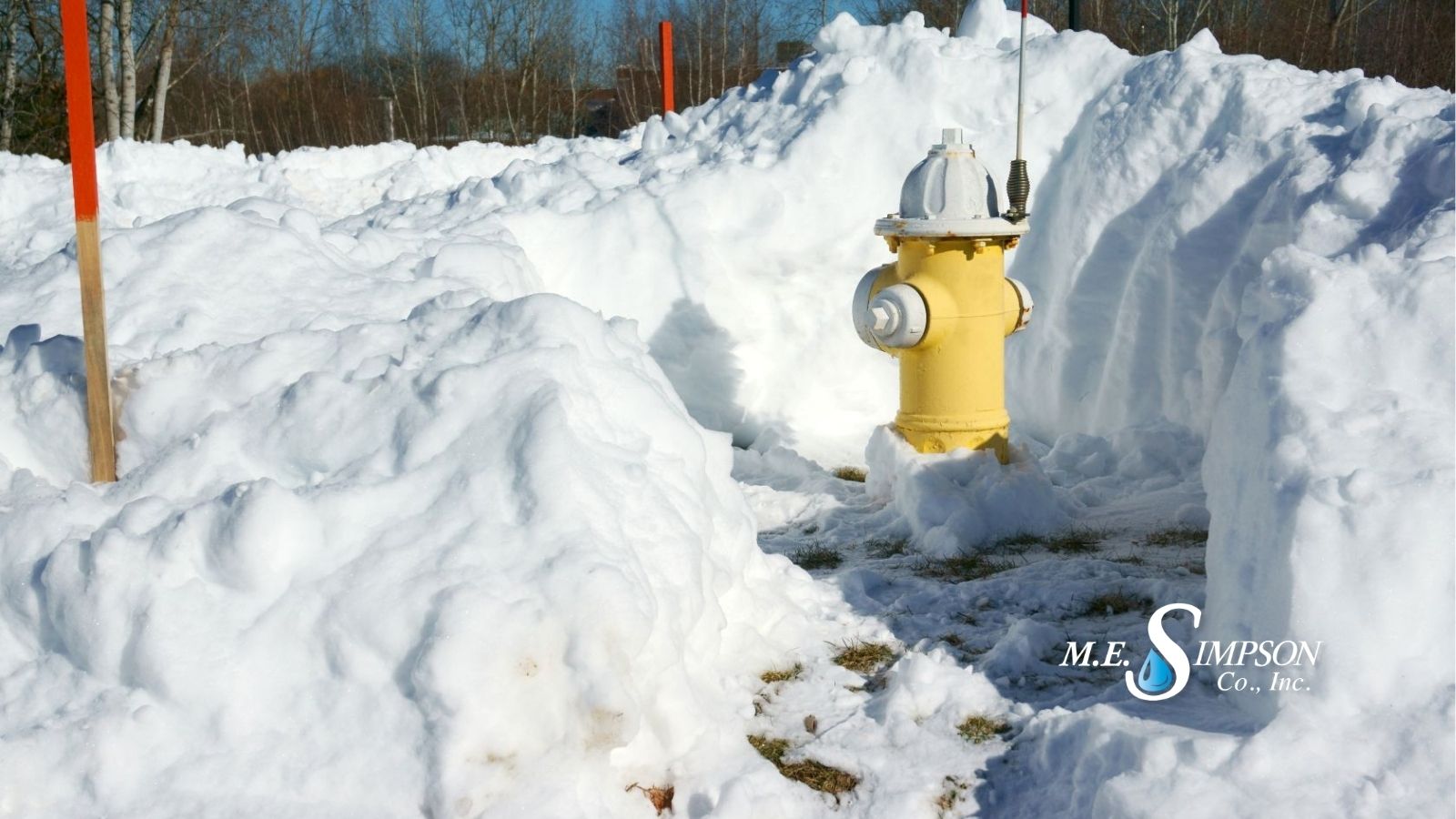
Preparing Water and Wastewater Systems for Winter:
Essential Maintenance for Utilities
Tim Crisp, Technical Communications Specialist
October 27, 2026
As temperatures drop, water and wastewater utilities face additional challenges in maintaining reliable service and protecting critical infrastructure. Freezing conditions, changing ground temperatures, and difficult field conditions can complicate maintenance and increase the urgency of responding to leaks, equipment failures, and other system issues.
Preparing for winter can help municipalities reduce service disruptions, address known deficiencies, and ensure critical assets remain accessible and operational.
M.E. Simpson Co., Inc. provides a range of services to help utilities assess and maintain their infrastructure before winter arrives. From valve exercising to hydrant inspections to leak detection and manhole inspections, proactive maintenance can help utilities identify potential problems and prioritize work before conditions become more challenging.
Valve Exercising and Maintenance: Keeping Critical Water Infrastructure Operational
Water distribution valves play an essential role in controlling water flow and isolating sections of a distribution system during routine maintenance and emergency repairs. When valves are difficult to locate, seized, or inoperable, utilities may experience delays in responding to water main breaks, resulting in extended service interruptions and additional water loss.
A proactive valve exercising and maintenance program helps utilities verify valve operability, identify mechanical deficiencies, and maintain accurate water distribution system asset records.
Before winter arrives, utilities should prioritize several key activities:
- Exercise critical distribution valves to verify proper operation.
- Identify seized, damaged, or difficult-to-operate valves.
- Confirm valve locations through GPS and GIS asset mapping.
- Ensure valve boxes and access points remain accessible.
- Document deficiencies and prioritize corrective maintenance.
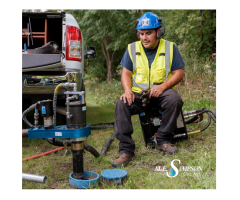
Restoring Seized Valves with HydroV® Valve Release Technology
For valves that are already seized, M.E. Simpson offers specialized seized valve release services using HydroSave’s HydroV® Valve Release System.
This patented technology combines resonant frequencies with controlled, minimal torque to help release seized valves while reducing the risk of damage. With more than 4,000 valves successfully released, HydroV provides utilities with an alternative to costly valve excavation and replacement.
Addressing inoperable valves before winter emergencies can help municipalities preserve existing infrastructure, reduce unnecessary capital expenditures, and improve water distribution system reliability.
Fire Hydrant Inspections: Preparing for Freezing Temperatures
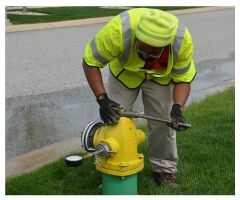
Fire hydrants are critical components of municipal water distribution systems and must remain accessible and operational year-round. During winter, freezing temperatures can create additional challenges for hydrants with drainage problems, mechanical deficiencies, or damaged components.
A comprehensive fire hydrant inspection and maintenance program helps utilities identify potential problems before freezing weather compromises hydrant performance.
Pre-winter hydrant inspections should include:
- Evaluating hydrant condition and identifying visible damage or leaks.
- Verifying operating components function properly.
- Checking drainage performance to reduce the risk of trapped water freezing.
- Confirming hydrants are accessible and clearly identifiable.
- Documenting maintenance deficiencies and recommended corrective actions.
Proper drainage is especially important during colder months. Hydrants that retain water because of drainage deficiencies may freeze, potentially preventing operation when emergency access is needed.
M.E. Simpson’s fire hydrant inspection, testing, and asset management services help municipalities evaluate hydrant conditions, identify maintenance priorities, and support long-term infrastructure reliability.
By identifying hydrant deficiencies before winter, utilities can reduce emergency maintenance needs and improve readiness for fire protection and water distribution operations.
Leak Detection and Pipeline Condition Assessment
Cold weather can increase the challenges associated with identifying and repairing leaks in water distribution systems. Temperature fluctuations, changing soil conditions, and existing weaknesses in pipes and fittings can contribute to infrastructure problems. Leaks that go undetected may continue to waste treated water, increase operating costs, contribute to non-revenue water (NRW), and cause ground saturation or other localized damage.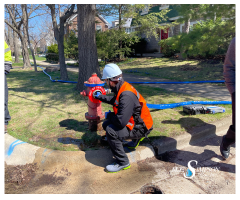
Conducting proactive water leak detection surveys before winter can help utilities identify hidden leaks and prioritize repairs before field conditions deteriorate. Acoustic leak detection surveys allow trained technicians to investigate distribution systems for signs of leakage, including leaks that may not be visible at the surface.
Pipeline condition assessment can further support winter preparedness by helping utilities identify potential weaknesses before they develop into more serious problems. Using advanced assessment technologies, utilities can evaluate pipeline conditions and remaining service life, identify anomalies, and prioritize areas for further investigation or rehabilitation. Combined with leak detection, these assessments provide a more comprehensive understanding of system condition and help utilities make informed decisions about maintenance and infrastructure investment.
M.E. Simpson Co., Inc.’s water leak detection and pipeline condition assessment services help utilities locate leaks, support water loss control efforts, evaluate system performance, and make informed decisions about repairs and ongoing maintenance.
Manhole Inspections and Wastewater Maintenance
Winter preparedness also extends to wastewater collection systems. Wastewater manhole inspections help identify visible deterioration, damaged components, and maintenance needs that could affect system performance or worker safety. Pre-winter inspections provide an opportunity to identify structural concerns, check access conditions, and document
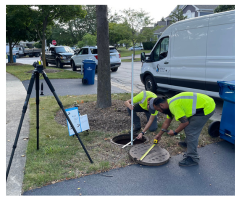
deficiencies requiring follow-up. Utilities should also evaluate recurring infiltration and inflow (I&I) concerns, particularly in areas where groundwater conditions or precipitation may affect collection system performance.
Addressing identified problems before winter can help utilities better manage maintenance needs and prepare for conditions that may make fieldwork more difficult. Appropriate inspection and assessment methods should be selected based on the asset, the suspected issue, and the utility’s maintenance objective.
M.E. Simpson Co., Inc. offers manhole inspection and wastewater collection system assessment services to help utilities evaluate infrastructure conditions and identify areas requiring further investigation or maintenance.
Prioritizing Winter Water and Wastewater Infrastructure Maintenance
Effective winter utility preparedness begins with understanding the condition of critical infrastructure and addressing known problems before they become emergencies.
A comprehensive preventive maintenance and asset management strategy can help municipalities prioritize resources, manage water loss, and maintain reliable service throughout the winter months.
Utilities should consider the following maintenance priorities:
- Valve Exercising and Seized Valve Release: Verify that critical valves are operational and accessible before emergency isolation is required.
- Fire Hydrant Inspections: Identify mechanical deficiencies, drainage problems, and access concerns before freezing temperatures arrive.
- Water Leak Detection: Locate hidden leaks and reduce non-revenue water before winter conditions complicate repairs.
- Pipeline Condition Assessment: Evaluate critical water mains and identify potential concerns to support informed maintenance decisions.
- Wastewater Manhole Inspections: Document collection system deficiencies and investigate infiltration and inflow concerns.
Taking a proactive approach to these activities helps water and wastewater utilities reduce operational risks, extend infrastructure service life, and make better use of maintenance budgets.
Interested in Learning More?
Winter preparedness is an ongoing priority for water and wastewater utilities, particularly in regions where freezing temperatures can challenge aging infrastructure. Explore these additional industry resources for insights into preventive maintenance, infrastructure reliability, and effective utility asset management.
- Minnesota Rural Water Association – Technical Resources
Explore practical guidance on water distribution system maintenance, hydrant inspections, valve management, and cold-weather operations. - American Water Works Association – How Can We Prevent Frozen Pipes?
Learn about strategies to reduce the risk of frozen pipes and improve water system reliability during winter. - AWWA – Data and Analytics Combat Water Main Failures
Discover how data-driven infrastructure assessments can help utilities identify risks and prioritize maintenance investments. - U.S. EPA – Collection and Lift Station Maintenance
Review guidance on wastewater collection system inspections, preventive maintenance, and reducing the risk of sanitary sewer overflows.
Prepare Your Water and Wastewater Infrastructure for Winter with M.E. Simpson
With more than 45 years of experience serving the water industry, M.E. Simpson Co., Inc. helps municipalities and water utilities assess, maintain, and improve critical infrastructure through advanced technologies and experienced field services.
From water loss control and valve exercising to fire hydrant inspections, pipeline condition assessment, and wastewater collection system evaluations, M.E. Simpson provides solutions designed to support utility reliability and long-term asset management.
Preparing your infrastructure before winter arrives can help prevent avoidable disruptions and position your utility for reliable service throughout the colder months.
Is your water or wastewater system ready for winter?
Contact M.E. Simpson Co., Inc. to discuss your winter maintenance priorities and identify the assessment and maintenance services best suited to your utility.
Visit www.mesimpson.com or call 800-255-1521 to learn more.